
Prophylactic Salpingo-Oophorectomy
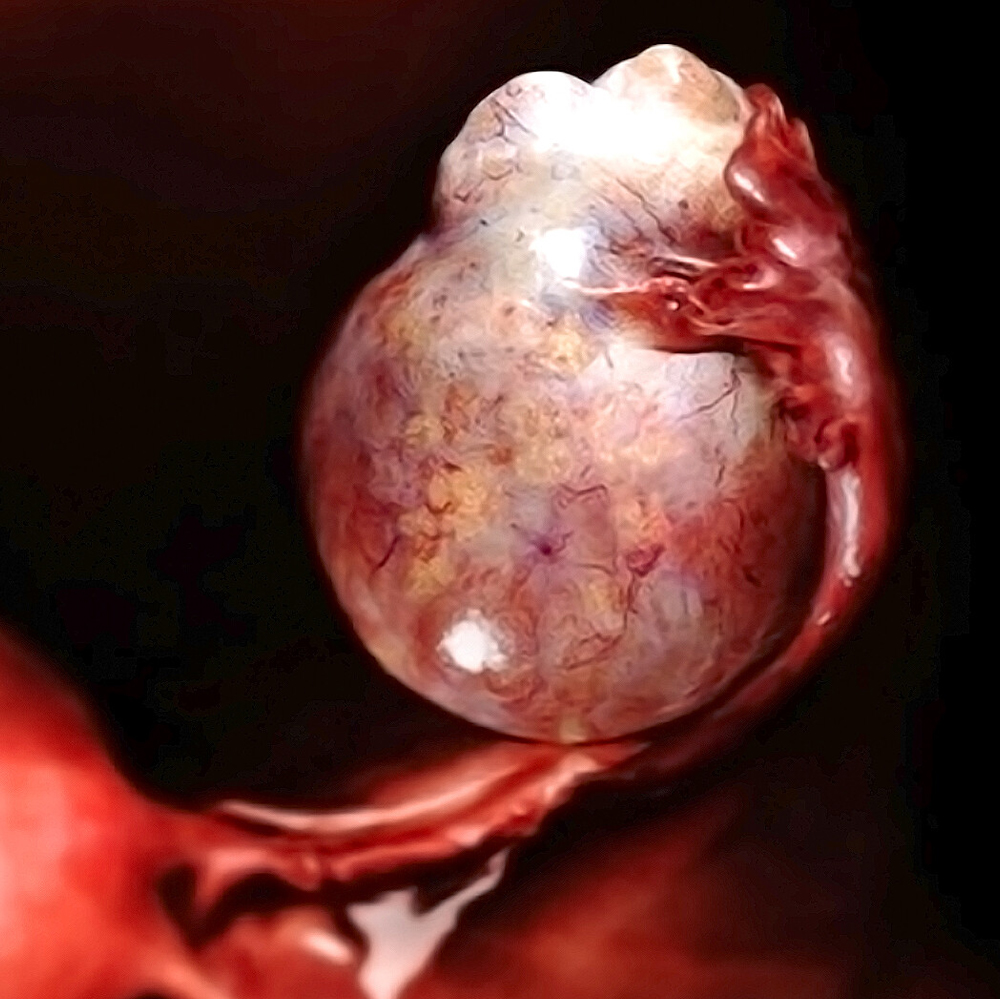
Prophylactic Salpingo-Oophorectomy
Prophylactic salpingo-oophorectomy is the preventive surgical removal of the ovaries and fallopian tubes in women at high genetic or familial risk of ovarian, fallopian tube, or breast cancer. This procedure can significantly reduce cancer risk before disease develops.
At Onco360 Cancer Centre, Dr. Vishakha P. Sinha, an experienced Breast & Gynec Onco Surgeon, offers specialized surgical care using advanced, evidence-based techniques. Every treatment plan is tailored to the patient's diagnosis, overall health, and long-term wellbeing.
Our multidisciplinary approach ensures comprehensive care from diagnosis through recovery, helping patients navigate their journey with confidence and compassion.
Who May Benefit From This Procedure
Dr. Vishakha Sinha recommends prophylactic salpingo-oophorectomy for carefully selected patients, including those with:
- BRCA1 or BRCA2 Gene Mutations
- Strong Family History of Ovarian Cancer
- Strong Family History of Breast Cancer
- Lynch Syndrome
- Personal History of Breast Cancer with High Genetic Risk
- Hereditary Breast and Ovarian Cancer Syndrome
- Confirmed High-Risk Genetic Panel Results
- Previous Risk-Reducing Mastectomy
- Family History of Fallopian Tube Cancer
- Completed Childbearing with High Hereditary Risk
Symptoms
Early detection plays a vital role in successful treatment. Consult a gynecological cancer specialist if you notice:
- Often no symptoms are present, as this is a preventive procedure
- Family history prompting genetic evaluation
- Positive genetic test results for hereditary cancer syndromes
- Anxiety related to hereditary cancer risk
- Prior personal history of breast cancer
- Irregular menstrual cycles in some cases
- Pelvic discomfort prompting further evaluation
- Abnormal findings on screening ultrasound
- Elevated tumor marker levels on screening
- Concern following a relative's cancer diagnosis
Causes
This procedure is recommended based on hereditary and genetic risk factors rather than an existing cancer diagnosis.
Common risk factors include:
- BRCA1 and BRCA2 gene mutations
- Lynch syndrome
- Strong family history of ovarian or breast cancer
- Multiple affected first-degree relatives
- Ashkenazi Jewish heritage with elevated genetic risk
- Personal history of hormone-related cancers
- Confirmed hereditary cancer syndrome on genetic testing
- Early-onset cancers in the family
- Family history of male breast cancer
- Desire to significantly reduce future cancer risk
Treatment
Every patient receives an individualized treatment plan based on their diagnosis and stage of disease.
Treatment options include:
Bilateral Salpingo-Oophorectomy
Removal of both ovaries and fallopian tubes to reduce future cancer risk.
Risk-Reducing Salpingectomy
Removal of fallopian tubes alone as an interim option in select younger patients.
Laparoscopic Salpingo-Oophorectomy
Minimally invasive approach offering faster recovery.
Robotic-Assisted Salpingo-Oophorectomy
High-precision, minimally invasive surgical technique.
Combined Risk-Reducing Surgery
Performed alongside other preventive procedures when clinically indicated.
Hormonal Management Planning
Guidance on managing menopausal effects following surgery.
Treatment may also be combined with:
- Chemotherapy
- Radiation Therapy
- Hormone Therapy
- Targeted Therapy
- Immunotherapy
Benefits
Choosing prophylactic salpingo-oophorectomy offers several advantages:
- Significant reduction in ovarian and fallopian tube cancer risk
- Reduced breast cancer risk in premenopausal high-risk women
- Personalized risk assessment and counseling
- Minimally invasive surgical options
- Faster recovery and shorter hospital stay
- Peace of mind for high-risk individuals
- Coordinated care with genetic counseling
- Better long-term health outcomes
- Ongoing monitoring and support after surgery
Prevention
This procedure is itself a preventive measure; additional steps can further support long-term health after surgery.
- Genetic counseling and testing for at-risk individuals
- Regular follow-up with your gynecological oncologist
- Bone health monitoring after ovary removal
- Cardiovascular health monitoring
- Hormone management as advised
- Maintaining a healthy body weight
- Regular physical activity
- Balanced, nutritious diet
- Avoiding smoking
- Continued breast cancer screening as recommended
Why Choose Dr. Vishakha P. Sinha for Prophylactic Salpingo-Oophorectomy?
- Specialized Breast & Gynec Onco Surgeon
- Expertise in Hereditary Cancer Risk-Reducing Surgery
- Advanced Robotic & Minimally Invasive Techniques
- Personalized Genetic Risk Assessment
- Evidence-Based, Individualized Treatment Plans
- Compassionate, Patient-Centered Care
- Comprehensive Cancer Care Under One Roof
- Focus on Long-Term Health & Quality of Life