
Gynecological Cancer Surgery
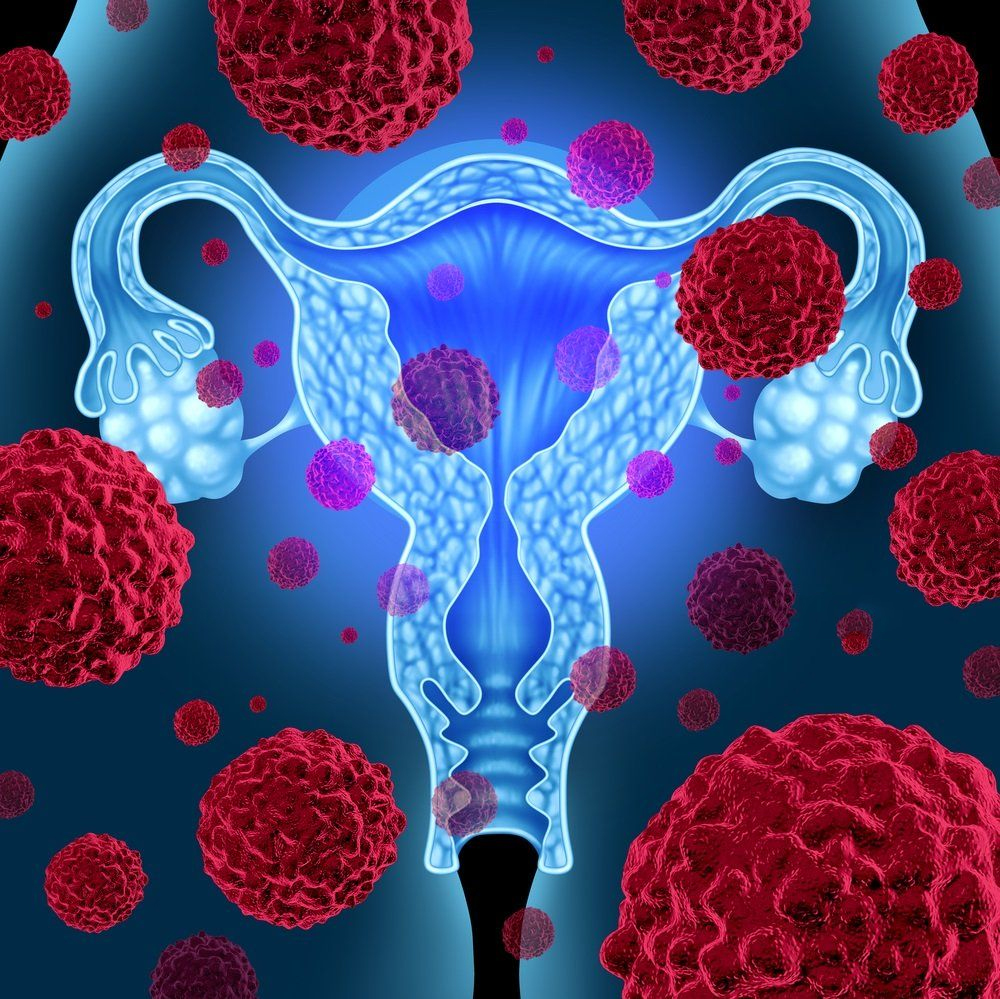
Gynecological Cancer Surgery
Gynecological cancer surgery involves the surgical removal of cancers affecting the female reproductive organs, including the ovaries, uterus, cervix, vagina, and vulva. Treatment is planned to remove the cancer completely while preserving fertility and quality of life whenever possible.
At Onco360 Cancer Centre, Dr. Vishakha P. Sinha, an experienced Breast & Gynec Onco Surgeon, offers specialized surgical care for women diagnosed with gynecological cancers. Using advanced, evidence-based surgical techniques, every treatment plan is tailored to the stage of disease, the patient's overall health, and long-term wellbeing.
Our multidisciplinary approach ensures comprehensive care from diagnosis through recovery, helping patients navigate their cancer journey with confidence and compassion.
Conditions Treated
Dr. Vishakha Sinha provides expert surgical management for a wide range of gynecological conditions, including:
- Ovarian Cancer
- Cervical Cancer
- Uterine (Endometrial) Cancer
- Vaginal Cancer
- Vulvar Cancer
- Gestational Trophoblastic Disease
- Fallopian Tube Cancer
- Complex Ovarian Cysts
- Uterine Fibroids with Malignant Suspicion
- Recurrent Gynecological Cancers
Symptoms
Early detection plays a vital role in successful treatment. Consult a gynecological cancer specialist if you notice:
- Abnormal vaginal bleeding or discharge
- Bleeding after menopause
- Pelvic pain or pressure
- Bloating or abdominal swelling
- Changes in bowel or bladder habits
- Pain during intercourse
- Unexplained weight loss
- Persistent fatigue
- A vulvar lump, itching, or skin changes
- Enlarged lymph nodes in the groin
Causes
Although the exact cause of gynecological cancers is not always known, several factors can increase the risk.
Common risk factors include:
- Increasing age
- Family history of gynecological or breast cancer
- BRCA1 and BRCA2 gene mutations
- HPV (Human Papillomavirus) infection
- Hormonal changes or imbalance
- Obesity
- Smoking
- Early menstruation or late menopause
- Never having been pregnant
- Long-term unopposed hormone therapy
- Lynch syndrome or other genetic conditions
Treatment
Every patient receives an individualized treatment plan based on the stage and type of gynecological cancer.
Treatment options include:
Hysterectomy
Surgical removal of the uterus, performed for cervical or uterine cancers.
Radical Hysterectomy
Removal of the uterus along with surrounding tissue for more advanced cervical cancer.
Salpingo-Oophorectomy
Removal of the ovaries and fallopian tubes, often performed for ovarian cancer.
Cytoreductive (Debulking) Surgery
Removal of as much visible cancer as possible, commonly used in advanced ovarian cancer.
Pelvic & Para-Aortic Lymphadenectomy
Removal of lymph nodes to check for and control the spread of cancer.
Vulvectomy
Surgical removal of cancerous tissue from the vulva.
Fertility-Sparing Surgery
Selected early-stage cancers can be treated while preserving fertility for younger patients.
Robotic & Minimally Invasive Surgery
Advanced laparoscopic and robotic techniques that promote quicker recovery and reduced discomfort.
Treatment may also be combined with:
- Chemotherapy
- Radiation Therapy
- Hormone Therapy
- Targeted Therapy
- Immunotherapy
Benefits
Choosing specialized gynecological cancer surgery offers several advantages:
- Complete cancer removal with optimal safety
- Personalized treatment planning
- Fertility preservation whenever feasible
- Improved surgical outcomes
- Reduced risk of cancer recurrence
- Faster recovery with minimally invasive techniques
- Advanced robotic and laparoscopic options
- Multidisciplinary cancer care
- Better quality of life
- Continuous follow-up and survivorship care
Prevention
While gynecological cancers cannot always be prevented, healthy lifestyle choices and regular screening can significantly reduce risk and improve early detection.
- Get regular pelvic examinations
- Undergo routine Pap smear and HPV screening
- Consider HPV vaccination
- Maintain a healthy body weight
- Exercise regularly
- Eat a balanced, nutritious diet
- Avoid smoking
- Know your family history
- Seek genetic counseling if you have a strong family history
- Consult a gynecological specialist promptly if you notice any unusual symptoms
Why Choose Dr. Vishakha P. Sinha for Gynecological Cancer Surgery?
- Specialized Breast & Gynec Onco Surgeon
- Expertise in Hysterectomy, Debulking & Radical Surgeries
- Advanced Robotic & Minimally Invasive Surgical Techniques
- Fertility-Sparing Surgical Options
- Personalized, Evidence-Based Treatment Plans
- Compassionate, Patient-Centered Care
- Comprehensive Cancer Care Under One Roof
- Focus on Faster Recovery & Better Quality of Life