
Endometrial & Uterine Cancer Surgery
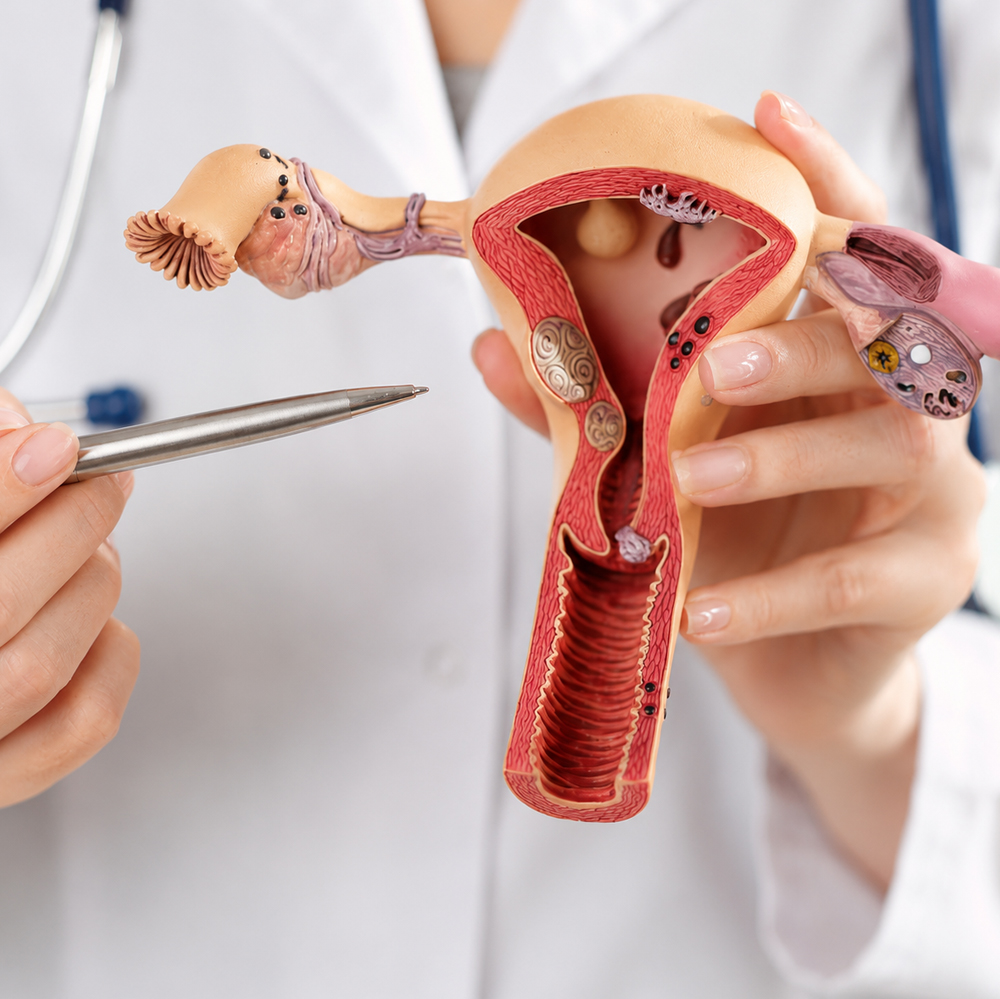
Endometrial & Uterine Cancer Surgery
Endometrial and uterine cancer surgery involves the removal of cancerous tissue from the lining or muscular wall of the uterus. Surgery is the primary treatment for most patients and also helps determine the stage of disease to guide further therapy.
At Onco360 Cancer Centre, Dr. Vishakha P. Sinha, an experienced Breast & Gynec Onco Surgeon, offers specialized surgical care using advanced, evidence-based techniques. Every treatment plan is tailored to the patient's diagnosis, overall health, and long-term wellbeing.
Our multidisciplinary approach ensures comprehensive care from diagnosis through recovery, helping patients navigate their journey with confidence and compassion.
Conditions Treated
Dr. Vishakha Sinha provides expert surgical management for a range of uterine conditions, including:
- Endometrial Cancer
- Uterine Sarcoma
- Atypical Endometrial Hyperplasia
- Early-Stage Uterine Cancer
- Locally Advanced Uterine Cancer
- Recurrent Uterine Cancer
- Carcinosarcoma of the Uterus
- High-Risk Endometrial Lesions
- Uterine Fibroids with Malignant Suspicion
- Complex Endometrial Polyps
Symptoms
Early detection plays a vital role in successful treatment. Consult a gynecological cancer specialist if you notice:
- Abnormal uterine bleeding, especially after menopause
- Heavy or prolonged menstrual periods
- Bleeding between periods
- Watery or blood-tinged vaginal discharge
- Pelvic pain or pressure
- Pain during intercourse
- Unexplained weight loss
- Fatigue
- A palpable pelvic mass
- Changes in bladder or bowel habits
Causes
Although the exact cause of endometrial and uterine cancers is not always known, several factors can increase the risk.
Common risk factors include:
- Increasing age
- Obesity
- Excess estrogen exposure without progesterone
- Never having been pregnant
- Early menstruation or late menopause
- Polycystic Ovary Syndrome (PCOS)
- Diabetes
- Lynch syndrome or family history of related cancers
- Tamoxifen use
- Prior pelvic radiation therapy
Treatment
Every patient receives an individualized treatment plan based on their diagnosis and stage of disease.
Treatment options include:
Total Hysterectomy with Bilateral Salpingo-Oophorectomy
Removal of the uterus, cervix, ovaries, and fallopian tubes, the standard treatment for most cases.
Pelvic & Para-Aortic Lymphadenectomy
Removal of lymph nodes for accurate surgical staging.
Sentinel Lymph Node Mapping
A targeted technique to assess lymph node spread with fewer nodes removed.
Omentectomy
Performed in select high-grade or sarcoma cases.
Cytoreductive Surgery
Removal of as much visible tumor as possible in advanced disease.
Robotic & Minimally Invasive Surgery
Preferred approach for most patients, offering faster recovery and reduced discomfort.
Treatment may also be combined with:
- Chemotherapy
- Radiation Therapy
- Hormone Therapy
- Targeted Therapy
- Immunotherapy
Benefits
Choosing specialized endometrial and uterine cancer surgery offers several advantages:
- Complete cancer removal with optimal safety
- Accurate surgical staging
- Personalized treatment planning
- Reduced risk of recurrence
- Faster recovery with minimally invasive techniques
- Advanced robotic and laparoscopic options
- Multidisciplinary cancer care
- Better quality of life
- Continuous follow-up and survivorship care
Prevention
While endometrial and uterine cancers cannot always be prevented, healthy lifestyle choices and regular check-ups can reduce risk and support early detection.
- Maintaining a healthy body weight
- Regular physical activity
- Managing diabetes and PCOS effectively
- Balanced, nutritious diet
- Regular gynecological check-ups
- Prompt evaluation of abnormal bleeding
- Genetic counseling if you have a strong family history
- Careful monitoring during tamoxifen therapy
- Avoiding smoking
- Consulting a specialist for persistent symptoms
Why Choose Dr. Vishakha P. Sinha for Endometrial & Uterine Cancer Surgery?
- Specialized Breast & Gynec Onco Surgeon
- Expertise in Hysterectomy & Lymph Node Staging
- Advanced Robotic & Minimally Invasive Techniques
- Sentinel Lymph Node Mapping Expertise
- Personalized, Evidence-Based Treatment Plans
- Compassionate, Patient-Centered Care
- Comprehensive Cancer Care Under One Roof
- Focus on Faster Recovery & Better Quality of Life